OpenBlock helps you understand crypto before you act.

Appearance
EN
Weekly Briefing
Beginner Crypto Newsroom

Crypto News, Market Signals, and Practical Guides

OpenBlock follows the stories moving crypto, tracks the market signals behind them, and connects those moves back to guides built for readers who are still learning the basics.

Top Story Maya Chen April 4, 2026 8 min read

How to read a crypto market pullback without panicking

A red screen can make a new investor feel that something has gone wrong immediately. It usually says more about speed and emotion than it does about your next move.

Why it matters: A pullback is a market condition, not a personal verdict. The useful question is what kind of move this is, not how loud it feels in the moment.

Latest News

Also on today’s radar Three fast follow-ups worth keeping in view while you read the lead.
Before you go deeper

Start with the signals that shape how the rest of today’s coverage should be read.

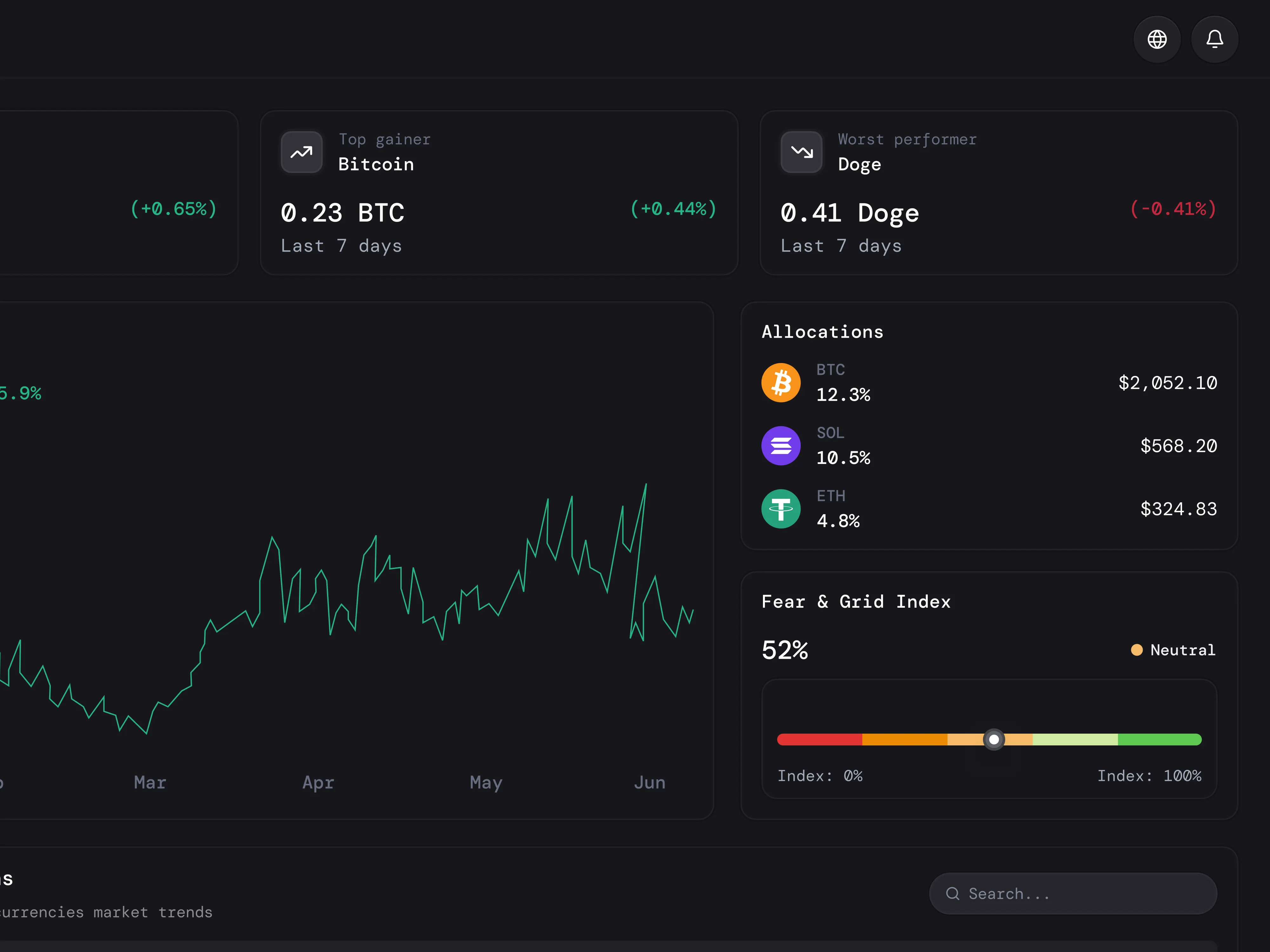
Market Pulse

Market Pulse

A denser front page read on mood, majors, and the signals shaping the day before you dive into the coverage.

Updated every minute View Market Data

Fear & Greed

Updated just now

Neutral
50

A reader-friendly signal built from volatility, breadth, and capital flow.

BTC Live
BTC Price
$84,320 +1.8%

Bitcoin still frames risk appetite and headline attention across the market.

ETH Live
ETH Price
$4,215 +2.4%

Ethereum helps explain fee pressure, app activity, and chain demand.

BTC dominance / Total cap

Updated every minute
$-- BTC --

Use dominance and market size together to judge whether the move is broad or narrow.

Now move into context

With the signal backdrop in place, here is the story that best explains what readers should focus on next.

Main Story

The stories shaping today’s crypto reading list

One lead story, plus the supporting reads that make the headline easier to place.

Open news desk
Network fees are falling again. What that means for everyday users.
Ethereum Nina Park April 5, 2026 6 min read

Network fees are falling again. What that means for everyday users.

Low fees can make transfers and swaps less painful, but they can also point to lower demand. Beginners should read both sides of that story.

Why it matters: Lower fees help with practice, testing, and routine wallet actions. They do not automatically tell you whether a network is healthier or weaker.

Read article

Read this with A few follow-up reads that make the main story easier to place.
Latest News

Fresh reporting across the market

Six recent reads with clearer context, tighter summaries, and visible editorial metadata.

Open the newsroom
What traders mean when they say liquidity is thin

What traders mean when they say liquidity is thin

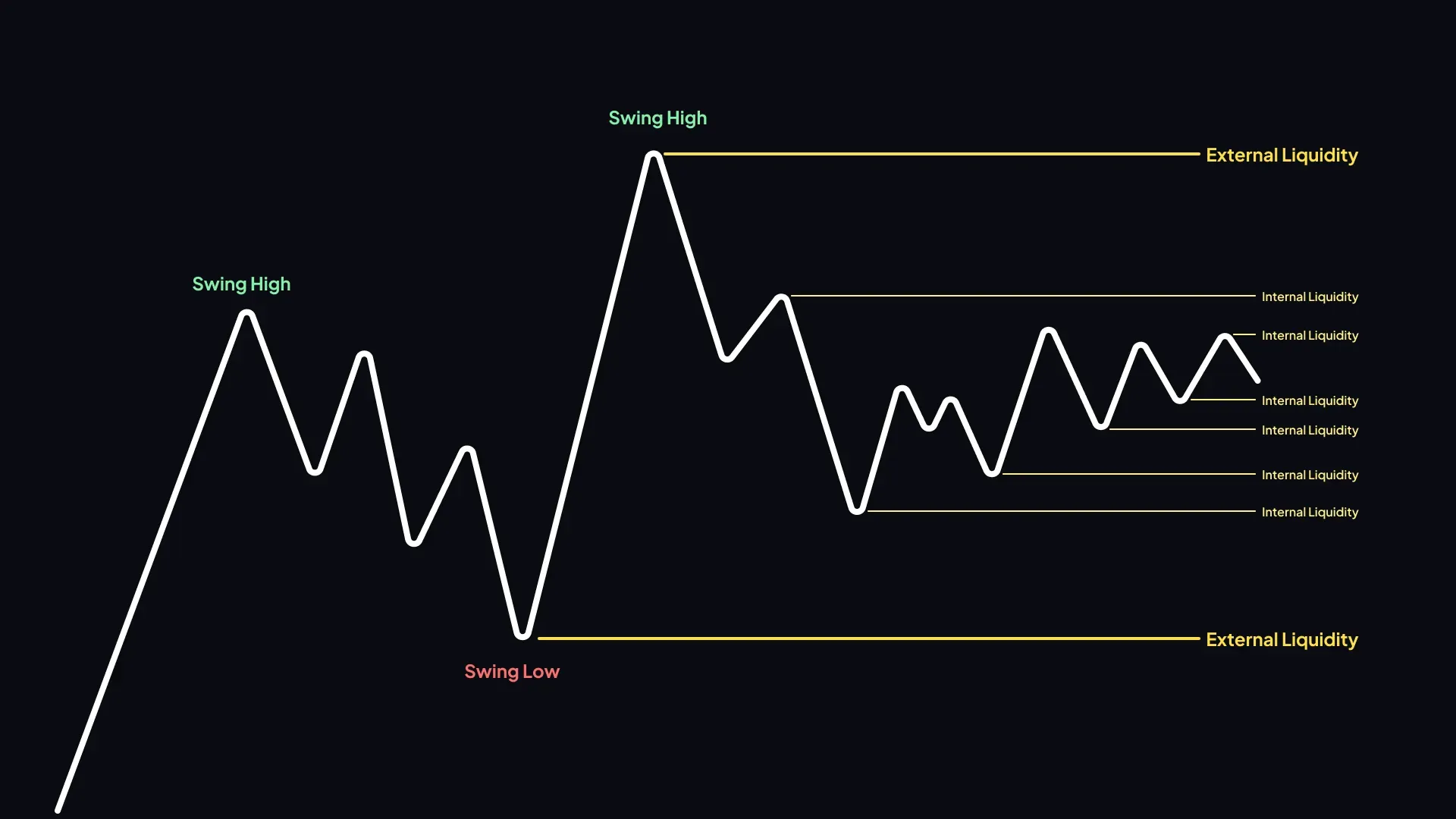
Low liquidity can exaggerate price moves. That does not mean the market is saying more than it really is.

Why it matters: Thin liquidity means there is not much resting depth to absorb buying or selling. Small orders can move price farther than beginners expect.

Keep reading

Why fee changes on major exchanges matter to beginners

Why fee changes on major exchanges matter to beginners

Headline fee cuts sound simple, but the real cost of using an exchange still depends on spread, liquidity, and withdrawal terms.

Why it matters: The cheapest published fee is not always the cheapest actual trade. Beginners pay the total route, not the headline number alone.

Keep reading
How exchange reserve data should be read by beginners

How exchange reserve data should be read by beginners

Reserve charts can offer useful clues about where assets are sitting, but they rarely tell a clean story on their own.

Why it matters: Reserve data is context, not a verdict. It becomes more useful when it is paired with price structure, liquidity, and the broader market mood.

Keep reading
If you are still learning

Use the reading path below to move from headlines into actual crypto understanding without jumping around.

Learn Crypto

Build the foundation behind the headlines

These four explainers make the rest of the site easier to read.

Browse all guides
Start here in this order If you are new, this sequence gives you the cleanest path through the site.
  1. 01
    What is crypto Start with assets, networks, and what Bitcoin is actually for.
  2. 02
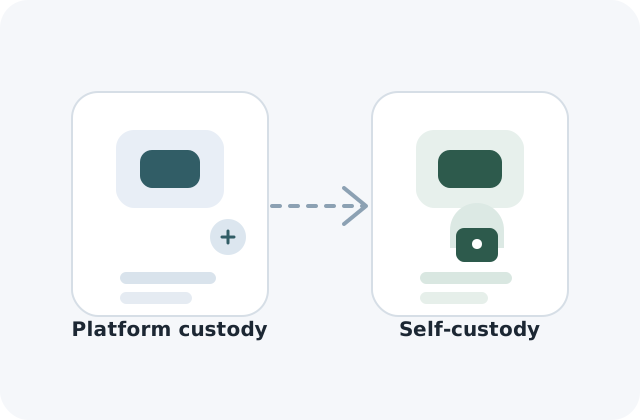
    Wallet basics Learn custody, recovery words, and how to move funds safely.
  3. 03
    How exchanges work Understand fees, order types, and withdrawal details before trading.
  4. 04
    Risk basics Use volatility and headline risk as context, not as commands.
What is Bitcoin

What is Bitcoin

Start with why it matters, what it is used for, and why it still sets the tone for the broader market.

Why it matters: Best if you still mix up assets, tokens, and networks.

Read the guide

What is a crypto wallet

What is a crypto wallet

Learn what a wallet controls, what it does not store, and why recovery details matter.

Why it matters: Useful before you sign, connect, or withdraw anything.

Read the guide

How do gas fees work

How do gas fees work

Understand why fees change, what affects cost, and why timing matters before you send anything.

Why it matters: For readers who want to trade without guessing what the screen means.

Read the guide

What is an ETF

What is an ETF

Learn why ETF headlines matter, what inflows show, and why not every alert changes the market.

Why it matters: A calmer framework for reading fast moves and risk.

Read the guide

Safety Desk

Scam pressure and operational risk

The most expensive beginner mistakes usually come from urgency, fake help, and weak operational habits.

Explore the safety center
Fake support chat

Fake support chat

A warning message or direct message pulls you toward a fake help desk that wants access or a verification step.

What to notice: A warning message or direct message pulls you toward a fake help desk that wants access or a verification step.

Read the breakdown

Recovery agent scam

Recovery agent scam

After a loss, someone offers to recover funds for a fee. That offer is often the second scam.

What to notice: After a loss, someone offers to recover funds for a fee. That offer is often the second scam.

Read the checklist

Wallet approval drain

Wallet approval drain

A familiar-looking site gets a wallet connection or signature it never needed in the first place.

What to notice: A familiar-looking site gets a wallet connection or signature it never needed in the first place.

Read the warning signs